Smart Sanitation: The Rise of Automatic Soap Dispensers with Its pros and cons
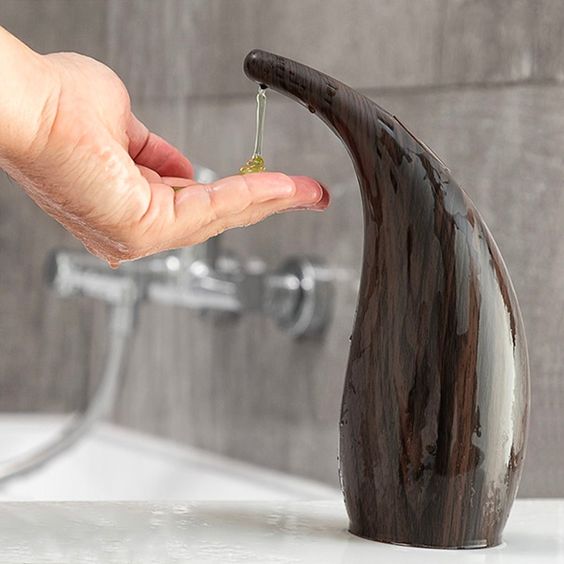
Automatic or touchless soap dispensers have seen their popularity increase incredibly, especially in public and commercial spaces. Driven by infrared motion detectors or capacitive sensing, they release soap with no direct contact, thereby lessening cross-contamination possibilities but still maintaining cleanliness. Automatic dispensers rely on electricity or battery power to energize, therefore offering convenience with regard to mounting. Its application in home bathroom and modern kitchens is growing by leaps and bounds as families more and more appreciate cleanliness and convenience.
Education About the Technology of Touchless Dispensing
At the center of an auto soap dispenser is a sensor-typically an infrared motion sensor-and which detects presence of hands and activates a small electric pump for dispensing a pre-programmed amount of liquid. Such a battery-powered, touch-less use is fueled by AA or AAA batteries, rechargeable lithium-ion batteries, or direct AC supply. Higher versions include adjustable soap volume control, liquid and foam mode, and even Bluetooth to manage inventory for commercial installations. Sensor sensitivity and response time are of the most critical consideration in order to facilitate hassle-free, seamless user interaction. Public and Private Hygiene and Convenience Applications
The primary advantage of automatic soap dispensers is hygiene.
In hospitals, restaurants, schools, and public bathrooms, reducing touchpoints cuts germs significantly. These dispensers are ideal for ADA restroom design because they eliminate manual dexterity in dispensing soap. A majority of them also include anti-drip valves and auto-shutoffs that prevent wastage of soap and keep countertops free. In buildings with hundreds of users daily, these features cut maintenance expenses and improve sanitation. Potential Limitations and Usage Issues
Even as good as they sound, soap automatic dispensers have their disadvantages.
Mismanagements due to shiny surfaces or dim lights can be a recurring issue, especially with lower-end units. Battery-powered ones need close monitoring and replacement, which might be inconvenient for high-usage commercial toilets. Moreover, the viscosity of the soap is a factor—foam soap dispensers may not always be able to handle thick liquids, leading to clogging or malfunction. Choosing a model that is suitable for your soap-of-choice variety is necessary to avoid these problems. Design Variations for Various Spaces and Styles
Automated soap dispensers in terms of design are available in an enormous range of shapes, sizes, and finishes to match various décor schemes.
In contemporary bathrooms, thin and cylindrical stainless steel models have a crisp, minimalist look. On the other hand, matte black finishes are ideal for industrial or modern rustic environments. For high-end homes or high-end hotels, brushed nickel or rose gold finishes create sophistication without losing functionality. Some dispensers have transparent soap reservoirs so that refill quantities can be seen more easily and yet remain pleasing to the eye. Materials and Finishes: Combining Aesthetics with Functionality The choice of material directly affects durability, cleanliness, and visual fit.
The two most common materials are stainless steel and ABS plastic.
Stainless steel, especially when having brushed or polished finishes, is significantly fingerprint and corrosion-resistant and can be employed both domestically and for commercial purposes. ABS plastic, although lightweight and cheap, yellows on aging and isn't as strong in high-impact applications. Chrome-plated finishes complement well with matching up contemporary bathroom gear, while oil-rubbed bronze complements perfectly with period or antique looks. Installation Type and Accessibility of Maintenance Wall-mount versus countertop designs can be quite different.
Wall-mounted types are used in low-counter space public toilets and are more apt to feature covered reservoirs to reduce visual distraction.
Countertop models are easier to install and appropriate for household use or rooms. Aesthetic or not, refilling and battery replacement accessibility must be factored in. A few upscale versions feature top-fill designs or key-lock boxes to provide additional security. Regular nozzle and sensor cleaning guarantee smooth operation and optimize dispenser lifespan. Choosing the Right Dispenser: Function, Design, and Reliability In the end, choosing an automatic soap dispenser will depend on some user requirements, anticipated traffic level, style appeal, and ease of servicing.
For heavy-duty commercial settings, choose models featuring heavy metal materials, adjustable dispensing, and high-reliability sensor technology.
For domestic use, style and refill convenience are paramount. Always check the soap type compatibility prior to buying, and look for models with guarantees for extra confidence. By uniting functionality and form, automatic soap dispensers are both visually appealing and hygienic additions to any setting.
|